 |
 |
 |
 |
 |
 |
 |
| 2020-08-17 | 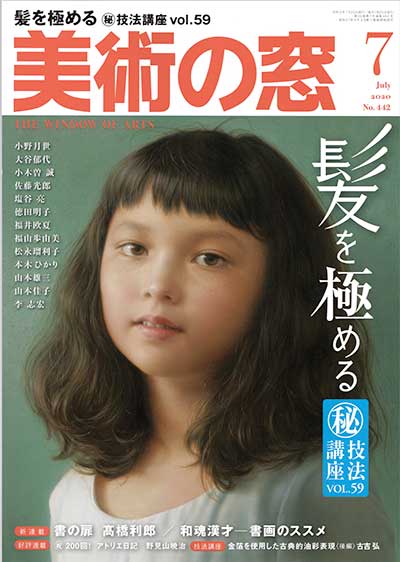 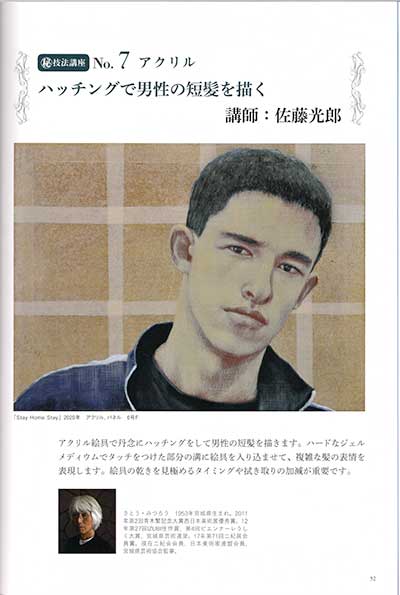 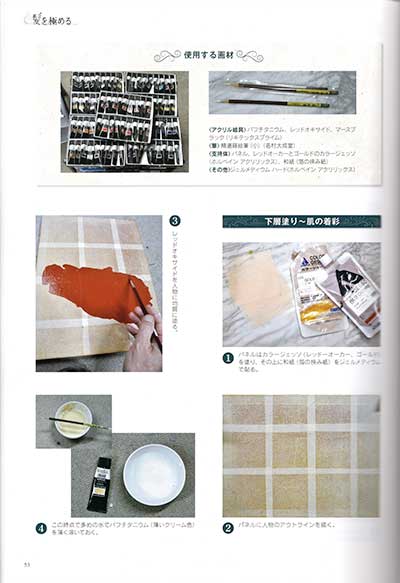 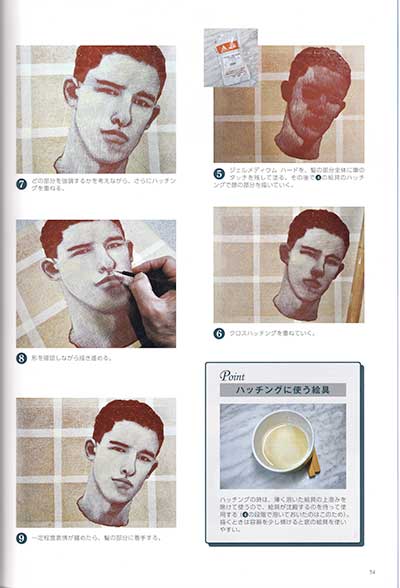    |
| 2019-07-02 | 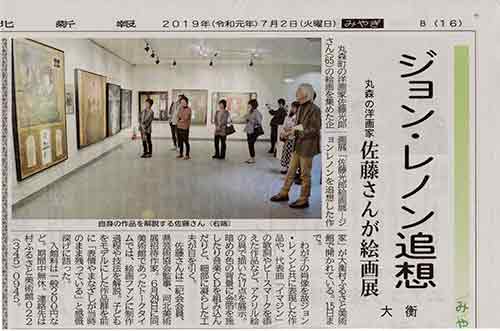 |
| Sunday, 19-May-2019 | 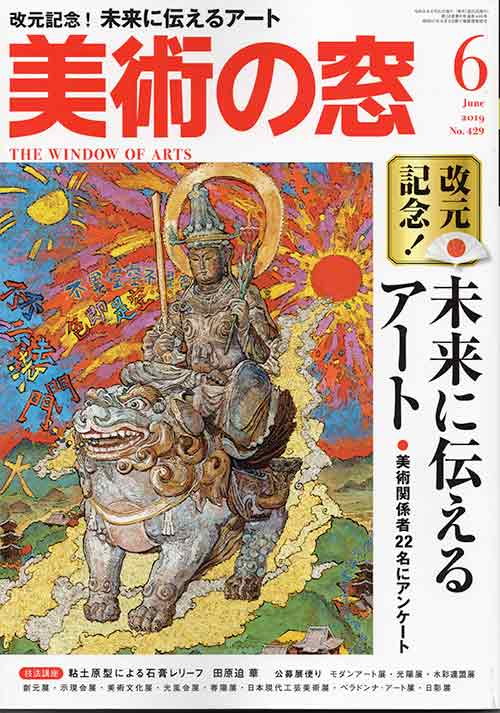 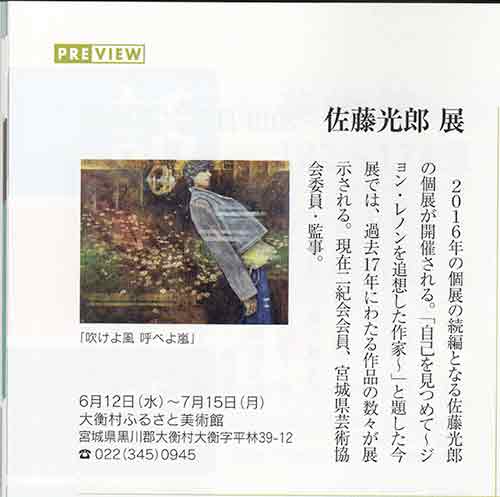 |
| Sunday, 14-May-2019 | 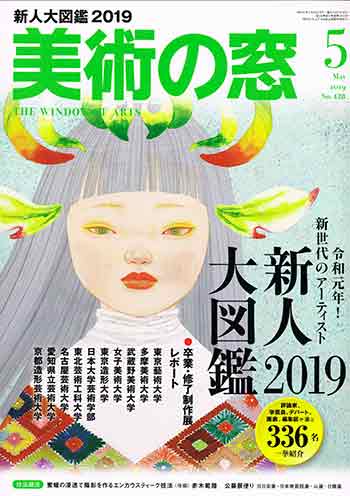 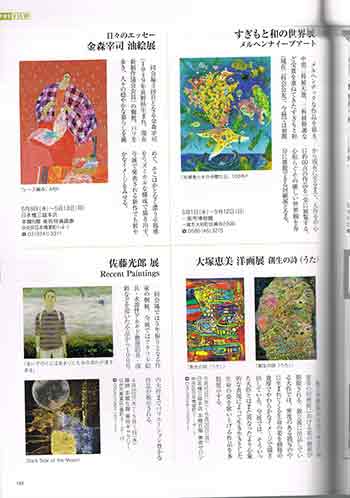 |
| Saturday, 23-Feb-2019 |  |
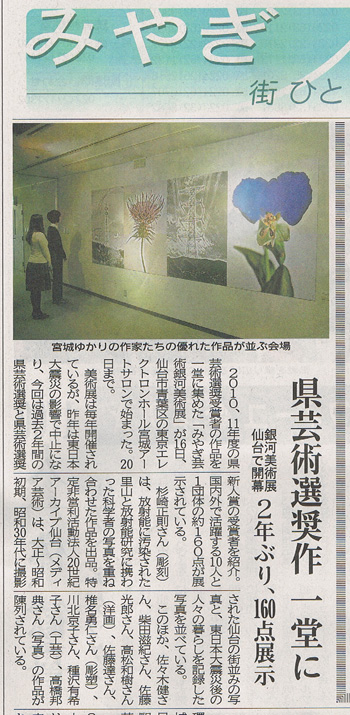
| Tue, 2012-11-20 KAHOKU newspaper, 2012-11-18. |
 |
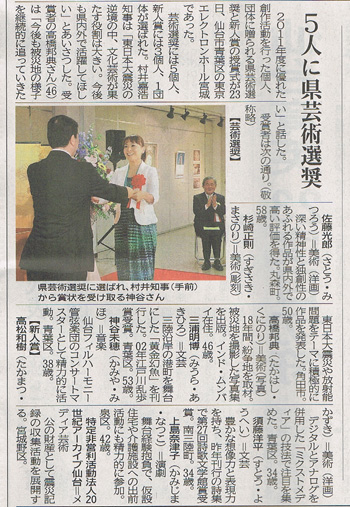
| Tuesday, 2012-07-24 KAHOKU newspaper, 24-07-2012. |
 |
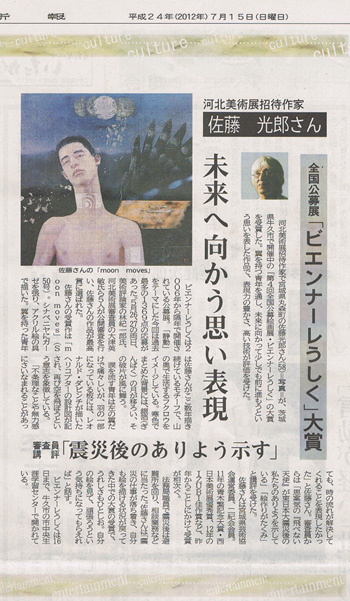
Sunday, 15-07-2012 |
 |
| ASAHI newspaper, 03-07-2012. | 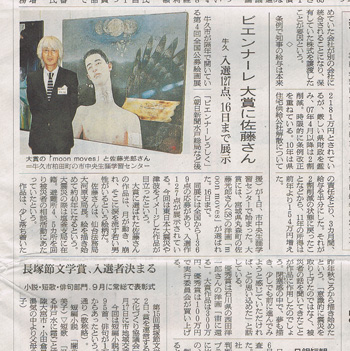 |
| JOYO newspaper, 01-07-2012. | 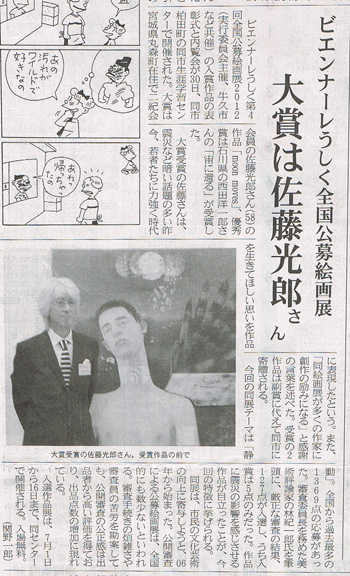 |
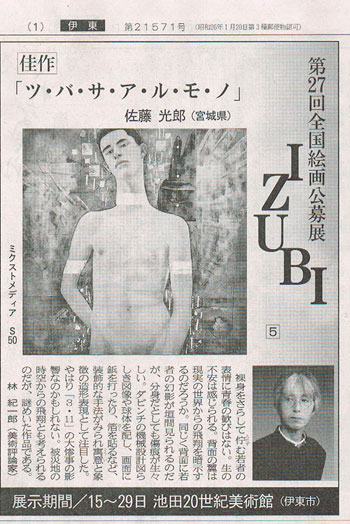
| Sun, 2012-04-01 My work was introduced in Izu newspaper on 19, March. |
 |
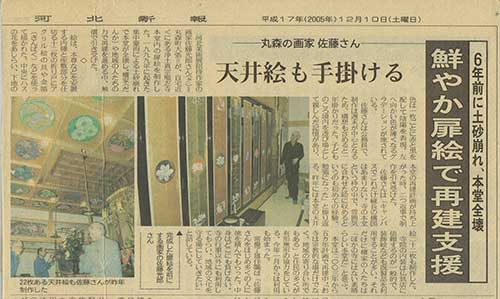
The KAHOKU newspaper.
|
 |
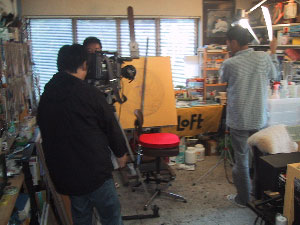
These are the people of the
staff of SENDAI Broadcasting TV Enterprise incorporated company. This state was televised on Sendai broadcasting television on February 28, 2005.And, this DVD is sold, too. |
 |
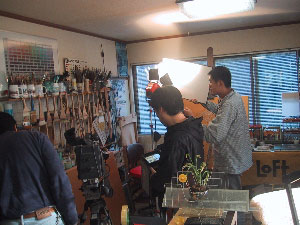
| They are producing the television program which will be broadcast the next spring. | 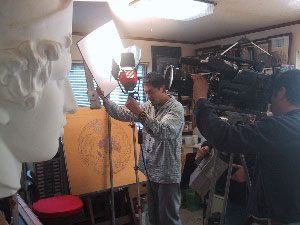 |
As for this program, my high
school student days are reproduced.
|
 |
 |
"A Better Design / Web page
re-designs Book 2"
|
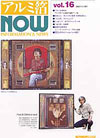 |
Aluminum foil
now journal issue.
|
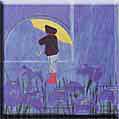 |
My works was printed
on the tile.
|
 |
Reported in the news
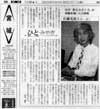
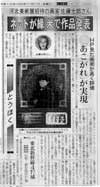
paper. In 12 April 2001 "KAHOKU" I took covering from the journalist of The KAHOKU newspaper company. |
 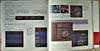 |
"A Better Design
/ Web page re-designs Book" |
 |
ART ANNUAL 2000 Publishing office. BIJYUTU NENKAN SHA My name is on page 510. |
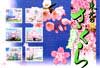 |
Postal stamp
3/April/2000 On sale
|
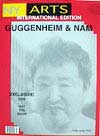  |
NY
ARTS Magazine Vol. 5 n 2 The International Millenium @ 450 Broadway Gallery The International Millenium show at 450 Broadway Gallery,curated by Yoshiko Masuda opened January 11th, 2000 representing a broad range of artists in several media. It truly represents what the artistic community shall become by including works from AAmerican artists, as well as Japanese. In this setting,oil painting like Shiotani Shuhei's large explosion of red seemed comfortable next to a series of black and white photographs by Ellen Warfield. Shuhei's work was back, to sort out the information. Oka Sakakibara's square vignettes of pastoral calm, playing with color nature to create field of imaginary nature, such as secret garden are just that, secrets the artist hides from us as to what is hiding in the fields of color, and it is for us to discover. That is the exciting thing,that not too much is given away, with no pretense of a grand illusion. The energy of the entire show , although diverse and different in many respect, converged to such a place where it all made sense. To hold a "millenium" shoe with several media being represented, such as glass, painting, sculpture, photography, college, and drawing is akin to the times in which we live is appropriate , as is the exhibition of artists of many countries. The photographs by Ellen Warfield, four in black and white and one in color, are reminiscent of a certain time in youth, the same age represented in Mitsuro Sato's Lennon Requiem. These pictures are about being a child and being unafraid of how others see you. The millenium has been built up so mach, that one trembles at the mear mention of a "millenium' art show, fearing silver objects of the future and visions of the art world of cyberspace. But, instead, this show, representing artists of different nationalities, offers the viewer anothe take on the meaning of the melting pot that is the New York art world. Painter Andrea Lynn Cambio has a whimsical palate of color, calling upon objects from everyday life that float in space to tell us the scene, a story of life in America, as Sakae Shinohara's black ink painting these of Japanese settings, rendered with dreamlike quality tell us just as much about her world in Japan. Shinohara's scenery takes you nether, incorporating the perspective to draw the viewer into these serene fields. The Fields of Buddha series is successful for me as a modern continuation of the historical tradition of Japanese prints, such as Utamaro and Hirosige. She takes the natural world and translates it to a place we can no longer clearly pin point as a certain place Japan, and it dosen't really matter, for we can now make of it what we will. With a group show it is sometimes hard to pinpoint the focus of cumallative affect, especially under the auspices of representing the "millenium." How large of a statement does one want to make, with regards to paintings and photography being an illustration of the world we live in now? It is so fitting then. That these pieces do not "go' together in the traditional sense. Each individual work makes its own testament to the fact that pieces of created in Japan, with subject matter in a clearly Japanese context have a clear and understandable resonance in the United States, and vice versa. In this way, this show is a real success to me. Luis Castro's marble sculpture evoking female breasts inspired by Nabokov's Lolita is as it is highly sexually charged with the extreme roundness of the shapes. This Lolitas is very adult, the definition of woman. To the left of this sculpture, along the wall are Jason Glasser's paintings on glass using simple colors and scenes of deer, in his piece, Deer Pool in the fields evoking images of classical scenery painting, while at the same time playing with the ideas of American culture as it is painted on old fragments of auto glass, making art of trash. Combining several mediums to paint ordered compositions that call up calm emotion of remembrance, such as with the Lennon Requiem, Mitsuro Sato paints with a restrained melancholy. These paintings are like an illustration of a memory, nailing into place all the elements that come mind when you try to recall a specific time or place. Hiroko Maekawa's illustrative scenes, using the presense of a cat to tell us many things about the tone and mood of the artists message. These very colorful works are feminine to me, using Japanese paper in collage and traditional painting in the tale of a cat. These works really seem to be trying to tell a story, rather than just calling up a feeling in the viewer. The show was strong in its variety.( by E. Landers) |
|
Reported in the
news paper. In 21 May 2000 "Asahi" |
|
Reported in the
news paper. In 7 January 2000 "kahoku" |
  |
Collection of
paintings. "1998 Excellent Art Exhibition in Miyagi" |
  |
|
  |
Collection of paintings. "Cotenporary Artists in Miyagi" Publishing office. Aoba-Gasou. |
Copyright©1998-2019, Copyright @mitsuro.com All Rights Reserved.